Exploring Halayeb Shalateen: Egypt's Wild Frontier and Contested Land
Deep within Egypt's southeastern corner, bordering Sudan, lies a region shrouded in mystery, raw beauty, and geopolitical complexity: Halayeb Shalateen. This vast, untamed expanse of approximately 20,580 square kilometers, situated on the African side of the Red Sea, is more than just a geographical location; it's a unique cultural melting pot, a haven of untouched nature, and a focal point of a long-standing territorial dispute. For those adventurous souls seeking to understand Egypt beyond its ancient monuments, Halayeb Shalateen offers a compelling glimpse into a world where desert traditions, vibrant markets, and strategic rivalries converge.
The Untamed Beauty and Cultural Tapestry of Egypt's Southeast
Halayeb Shalateen is often described as Egypt's most remote region, characterized by a wild and pristine natural environment that stands in stark contrast to the bustling cities along the Nile. Its proximity to Sudan lends it a distinct cultural flavor, a blend of Egyptian and Sudanese influences, particularly evident in the traditions of the local Beja people who have inhabited this rugged land for centuries. These nomadic and semi-nomadic communities maintain a deep connection to the desert and its resources, their lives intrinsically linked to the ebbs and flows of this unique ecosystem. The landscape itself is a spectacle of dramatic mountains, sun-baked plains, and an unspoiled Red Sea coastline, making it a dream destination for eco-tourism and adventurous exploration, from vibrant coral reefs to ancient wadis.
The region comprises three main cities: Shalateen, Halayeb, and Abou Ramad. Each city contributes to the rich tapestry of the Halayeb Shalateen Triangle, offering distinct characteristics and historical significance. The very essence of Halayeb Shalateen lies in its ability to captivate with both its natural splendor and its compelling human stories.
Shalateen: Where Desert Meets the Sea and History Runs Deep
Shalateen, the largest and arguably most vibrant city in the Halayeb Shalateen region, serves as a crucial economic and cultural hub. Strategically located, it boasts a unique blend of coastal and desert characteristics. The city is renowned for the extraordinary richness of its fishing grounds in the Red Sea, particularly southeast of Jabal Alba. This abundance sustains a thriving local fishing industry, providing a vital source of livelihood for many residents. Beyond its aquatic wealth, Shalateen is blessed with surprisingly fertile lands, especially for a desert environment. These agricultural pockets thrive thanks to the ingenious utilization of underground water sources and seasonal rainwater, allowing for cultivation in an otherwise arid landscape.
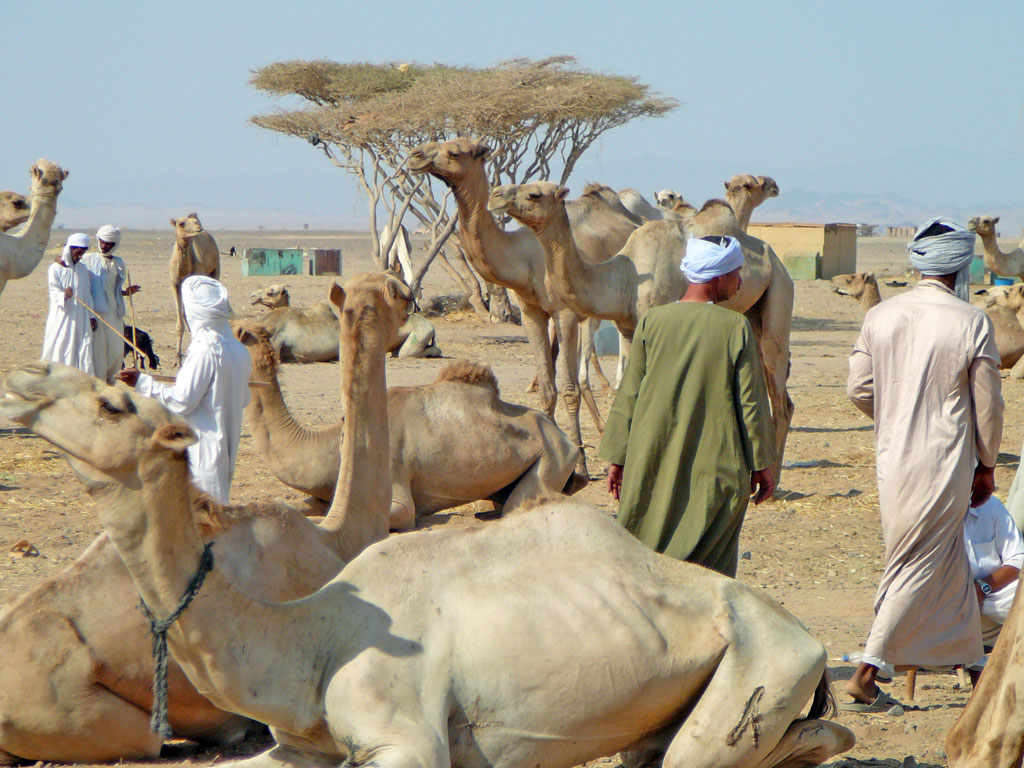
Perhaps Shalateen's most iconic feature is its bustling camel market, considered one of the most important in the entire region. This vibrant spectacle is the primary receiving point for camels trekking from various locations in Sudan, including Kassala and Port Sudan. These majestic animals endure a two-day journey on foot, a testament to their endurance and the historical trade routes that have crisscrossed this region for centuries. The market in Shalateen is not merely a place of commerce; it's a social event, a cultural exchange, and a window into the traditional livelihoods that persist in this remote corner of Africa. For a deeper dive into the unique aspects of this vibrant hub, explore Shalateen's Secrets: Camel Markets, Red Sea Fish & Ancient Mining.
Echoes of Antiquity: Abou Ramad, Halayeb, and Ancient Trails
Venturing further into the Halayeb Shalateen territory, we encounter Abou Ramad, a city steeped in ancient history. Considered the oldest settlement in the Halayeb region, Abou Ramad has been a center for mining activities since at least 1915. Its name, "Abou Ramad" (meaning "Father of Ash"), is said to derive from the ashes left behind by phosphate mining in the area. The region was particularly rich in manganese, with exploitation beginning in 1956 by an Egyptian private company, later nationalized and taken over by the Al-Nasr Phosphate Company by 1963. This history of mining underscores the region's historical importance as a source of valuable minerals, long before modern industries emerged.
The Halayeb region itself, with Halayeb city as a key administrative center, offers glimpses into even deeper historical layers. The area surrounding Shalateen and Halayeb is dotted with intriguing archaeological sites, hinting at millennia of human presence. Erekat, for instance, located near the Abraq region about ten kilometers from Shalateen, hosts four significant archaeological sites. Among these are the remnants of a Roman defense outpost in the Al-Ardah area, southwest of Shalateen, indicating Roman efforts to secure trade routes or borders. Further adding to the mystique is a Pharaonic gate in the Abu Sa`fa area, surrounded by strangely shaped rocks and stones adorned with ancient inscriptions. These sites offer invaluable insights into the diverse civilizations that once traversed and settled this rugged frontier, leaving behind tantalizing clues about their lives and beliefs.
Navigating the Contested Waters: The Geopolitics of Halayeb Shalateen
Beyond its natural beauty and historical riches, Halayeb Shalateen holds a unique and often tense position on the geopolitical map. The region is the subject of a long-standing territorial dispute between Egypt and Sudan, a legacy of British colonialism that failed to definitively demarcate the border. This "Halayeb Triangle" often becomes a pressure point in the relationship between Cairo and Khartoum, especially during periods of political tension.
For decades, both nations have asserted sovereignty, but Egypt has maintained de facto control over the area since 1996. The dispute flared up significantly following the 2013 military coup in Egypt, which toppled Mohammed Morsi. Cairo's decision to consider the Triangle a full province of Egypt and its subsequent signing of contracts for gold exploration within the area provoked a strong reaction from Khartoum. Sudan responded by deploying marine forces, with its Red Sea State governor claiming the move as a confirmation of Sudanese sovereignty. However, political analysts downplayed the significance of these deployments, viewing them as routine procedures aimed at raising awareness rather than actual military escalation, especially given Egypt's total control and the isolation of the deployed forces.
The underlying sentiment, as many experts argue, is that neither government can afford a full-blown confrontation over Halayeb Shalateen. The surrounding circumstances for the Sudanese government, in particular, do not permit opening new fronts, while Egypt is well aware of the limited impact of such symbolic gestures. The "land of gold," as it's sometimes called, remains a thorn in the side of Egypt-Sudan relations, a constant reminder of an unresolved historical border. For a detailed exploration of the political intricacies, refer to Halayeb Shalateen: A Thorn in Egypt-Sudan Relations Over Gold.
Practical Insights for Visiting Halayeb Shalateen
Visiting Halayeb Shalateen is an adventure not for the faint of heart, but incredibly rewarding for those seeking an authentic, off-the-beaten-path experience. Due to its remote nature and strategic importance, specific travel considerations are paramount:
- Permits: Travelers, especially non-Egyptians, typically need special permits from Egyptian security or military authorities to enter the region. These must be arranged well in advance through a reputable tour operator.
- Best Time to Visit: The cooler winter months (November to March) are ideal, as summer temperatures can be extreme.
- Cultural Sensitivity: The region is home to the Beja people, with their own unique customs and traditions. Respectful interaction, modest dress, and seeking permission before photography are essential.
- Transportation: Public transport is limited. Hiring a private 4x4 vehicle with an experienced driver is advisable for navigating the rugged terrain.
- Accommodation: Options are basic. Expect guesthouses or camping facilities rather than luxury hotels.
- What to Expect: Prepare for a truly wild experience. This is a place for nature lovers, history buffs, and those interested in cultural immersion. The stunning Red Sea marine life, dramatic desert landscapes, and ancient sites are unparalleled.
- Safety: While the region is under Egyptian control, awareness of its contested status and following official advice is always prudent.
Halayeb Shalateen is more than just a contested territory; it's a testament to ancient trade, enduring cultures, and breathtaking natural beauty. It's a land where history is etched into every rock, where traditions thrive amidst modernity, and where the spirit of adventure beckons. For those willing to venture into Egypt's wild frontier, Halayeb Shalateen offers an unforgettable journey into the heart of a truly unique and vibrant region.