Nestled where the vast Sahara meets the azure expanse of the Red Sea, lies a region shrouded in mystery and vibrant life: Halayeb Shalateen. This remote corner of Egypt, often referred to as aïd halayeb shalateen by some, is a land of striking contrasts, where ancient traditions endure, pristine nature thrives, and the whispers of a contested history resonate. Far from the well-trodden tourist paths, it offers an authentic glimpse into a unique cultural tapestry, shaped by its proximity to Sudan and its timeless role as a crossroads of trade and discovery.
Covering a sprawling area of approximately 20,000 square kilometers, the Halayeb Shalateen Triangle is more than just a geographical location; it's a living museum. It comprises several towns, including Halayeb, Abou Ramad, and the bustling heart of the region, Shalateen. Each offers a distinct flavor of this wild frontier, from its rich marine life to its ancient mining heritage, making it a truly unparalleled destination for the intrepid traveler.
Shalateen: Egypt's Southern Jewel and Thriving Frontier
Shalateen, often considered the oldest and most vibrant city within the Halayeb Shalateen region, serves as a crucial gateway to Egypt's deep south. Its strategic location, bridging the cultural landscapes of Egypt and Sudan, has endowed it with a character unlike any other. Here, the traditional way of life, primarily influenced by the Beja nomadic tribes, intertwines with modern necessities, creating a dynamic and fascinating environment.
The town itself is a testament to resilience and resourcefulness. Characterized by fertile lands, its agriculture relies heavily on sustainable irrigation methods, drawing from both underground water sources and seasonal rainfall. This allows for pockets of greenery amidst the arid landscape, supporting local communities and their livestock. But it's not just the land that provides; Shalateen’s coastal stretch on the African side of the Red Sea is renowned for its exceptional richness in fish. Local fishermen ply their trade, bringing in a diverse bounty from the pristine waters, making Shalateen a vital center for the regional seafood market.
Exploring Shalateen offers a chance to witness a way of life that has largely remained unchanged for centuries. The town's dusty streets come alive with the daily routines of its inhabitants, from the animated chatter of market vendors to the rhythmic sounds of traditional crafts being practiced. It's a place where genuine hospitality is paramount, and every interaction provides a deeper understanding of this unique corner of the world.
The Rhythmic Pulse of the Camel Market
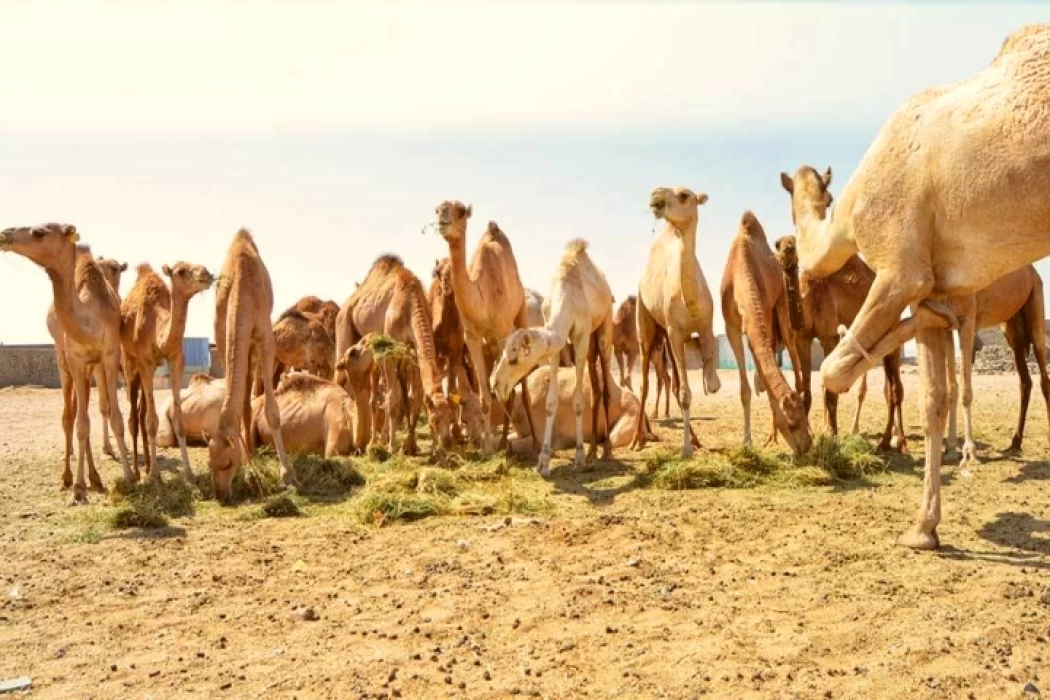
Perhaps the most iconic and captivating aspect of Shalateen is its legendary camel market. Regarded as one of the most important camel markets in the entire Middle East and North Africa, it serves as the primary entry point for camels returning from Sudan into Egypt. This isn't merely a place of commerce; it's a vibrant spectacle, a testament to ancient trade routes, and a powerful symbol of the enduring connection between these two nations.
Imagine hundreds, sometimes thousands, of camels arriving after an arduous journey. These magnificent animals undertake a two-day trek on foot from various Sudanese locations, including the capital Khartoum, the bustling city of Kassala, and the port city of Port Sudan, all converging upon Shalateen. The sheer scale of the operation is awe-inspiring, a logistical marvel orchestrated by skilled Bedouin drovers who have inherited this trade through generations.
Upon arrival, the camels are penned, inspected, and then traded in a bustling, often chaotic, yet remarkably organized environment. The air is thick with the calls of merchants, the low grunts of camels, and the eager murmurs of buyers. It's an experience that engages all senses, offering unparalleled photographic opportunities and a rare glimpse into a timeless tradition. For visitors, a morning spent at the camel market provides an unforgettable insight into the economic and cultural heartbeat of the aïd halayeb shalateen region.
Tips for Visiting Shalateen's Camel Market:
- Go Early: The market is most active in the early morning hours, especially after a fresh arrival of camels.
- Dress Respectfully: This is a traditional area; modest clothing is advised.
- Be Prepared for Dust and Crowds: It's a working market, not a polished tourist attraction.
- Engage with Locals: Many traders are friendly and happy to share insights, though a local guide can be invaluable for translation and context.
- Bargaining Culture: If you're buying anything, expect to haggle – it's part of the fun!
Echoes of the Past: Ancient Mines and Roman Remains
The Halayeb Shalateen region is not just rich in contemporary culture and natural beauty; it also holds a profound historical legacy, particularly in its ancient mining activities and archaeological treasures. The village of Abou Ramad, for instance, has been renowned for its mining endeavors since at least 1915. Its very name, "Abu Ramad," which translates to "father of ash," is said to originate from the phosphate residue left by early mining operations in the area.
Beyond phosphates, the region was also a significant source of manganese. Exploitation of this valuable metal began as early as 1956 by an Egyptian private company, continuing until 1963 when it was nationalized and taken over by the Al-Nasr Phosphate Company. These mining activities underscore the region's long-standing economic importance, tapping into its geological wealth that stretches back millennia.
The historical tapestry of aïd halayeb shalateen extends even further back in time, with archaeological sites dotting the landscape. The Erekat area, located about ten kilometers from Shalateen in the Abraq region, is particularly noteworthy. It hosts at least four significant archaeological sites, offering tantalizing glimpses into various historical periods:
- Roman Defense Remains: To the southwest of Shalateen, in the Al-Ardah area, visitors can find the remnants of Roman defenses, hinting at the strategic importance of this frontier during the Roman Empire.
- Pharaonic Gate of Abu Sa`fa: A truly remarkable discovery, this site features a Pharaonic gate, adorned with strange rock formations and stones embellished with ancient inscriptions. These carvings provide invaluable clues about the region's connections to ancient Egypt and its role in early trade routes, possibly related to gold or mineral extraction.
These sites highlight the continuous human presence in the region, from the Pharaonic era through Roman times and into the modern age, all drawn by its unique resources and strategic location.
Navigating the Dynamics of a Contested Land
Beyond its natural beauty and historical depth, the Halayeb Shalateen Triangle carries a complex geopolitical narrative. The region has been the subject of a long-standing border dispute between Egypt and Sudan, an issue that traces its roots back to British colonial times when clear demarcation failed to be established. This historical ambiguity has occasionally led to tensions, with both nations asserting their sovereignty over the valuable territory.
In recent years, the strategic importance of the aïd halayeb shalateen region has been further amplified by the discovery and exploration of gold. Cairo has notably signed contracts with companies for gold exploration, signaling Egypt's firm claim over the area. Such economic initiatives, while beneficial for regional development, also serve as markers in the broader geopolitical landscape. For a deeper dive into this fascinating political dynamic, you can read our related articles: Halayeb Shalateen: A Thorn in Egypt-Sudan Relations Over Gold and Exploring Halayeb Shalateen: Egypt's Wild Frontier and Contested Land.
Despite these underlying political currents, the day-to-day life in Shalateen and the broader region remains vibrant and largely unaffected for visitors. Egyptian authorities maintain full control over the area, and access is managed. Travelers interested in visiting this unique frontier should always ensure they have the necessary permits and adhere to local guidelines, often best facilitated through organized tours or local contacts.
The Halayeb Shalateen region stands as a testament to the enduring power of nature, the resilience of human spirit, and the deep echoes of history. From the rhythmic thrum of its camel markets to the ancient whispers of its mining sites and archaeological ruins, and the rich bounty of its Red Sea shores, it offers an authentic, off-the-beaten-path adventure. For those seeking to explore a truly unique corner of Egypt, where different cultures converge and time seems to slow down, a journey to aïd halayeb shalateen promises an unforgettable experience of discovery and wonder.